


Buying Your First Commercial Property: A Lunch & Learn Recap
By July 8, 2025
As a business owner, purchasing your first commercial property can be a rewarding — yet also potentially overwhelming — business strategy.
While owning your space can help you build long-term wealth, control operational costs, and secure an exit strategy for the future, we also understand that navigating the commercial real estate market is complex — especially for first-time buyers. That’s why we recently invited Matt Harris, Principal/Broker from Street Commercial Real Estate, as well as our own Senior Vice President of Commercial Lending Matt Baca, to provide some insights.
“One of the most important decisions a business owner can make is to acquire commercial real estate,” Baca said. “When done correctly, this can have an immediate positive impact on the business and can, in turn, become a significant long-term investment.”
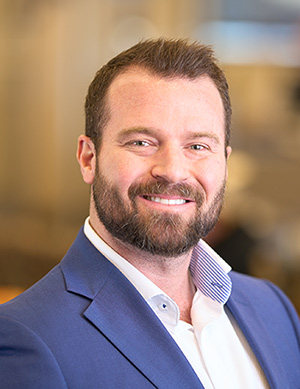
The two Matts held an informative workshop guiding business owners through a step-by-step process of buying their first commercial property. The Lunch & Learn reviewed the owner-occupied commercial real estate landscape with a focus on opportunities for owner-users utilizing both traditional lending and SBA loan programs.
But if you’re reading this, you’re likely a business owner — meaning time is surely your most valuable commodity! Perhaps you missed our workshop, but that doesn’t mean you have to miss out on the critical information shared. That’s why we’re distilling some of the info below with some key takeaways from our first Lunch & Learn.
Read on, and be sure to reach out to our commercial lending team if you’re interested in learning more about securing your own owner-occupied commercial real estate loan.
“Begin the process with your lender early and ensure it aligns with your current and future business needs and goals,” Baca advised.
Understanding Commercial Property Types
Before dipping your toe into the purchasing process, Matt Harris emphasized the importance of understanding the different types of commercial properties. These include:
- Retail: Stores, malls, restaurants, and shopping centers
- Office: Standalone buildings, medical offices, and professional spaces
- Industrial: Warehouses, manufacturing facilities, and distribution centers
- Specialty Use: Storage units, event spaces, and other unique properties tailored to specific business needs
- Multifamily: Residential properties with more than five units
Choosing the right type of property depends on your industry, business goals, and operational needs. And of course, the most important facet of owner-occupied commercial property: Matt Baca highlighted the need for the buyer to occupy at least 51% of the leasable square footage of the subject property. He also noted that if the property is reliant on third-party rents for revenue, it would no longer be considered owner-occupied and would instead be considered investment commercial real estate (multifamily, retail center, etc.).
Key Considerations Before You Buy
Location, Location, Location
Harris reminded us that the age-old real estate adage still holds true. A prime location can enhance visibility, improve accessibility for customers and employees, and add long-term value to your investment. Consider factors such as foot traffic, nearby competition, and future development plans in the area.
Size & Growth Potential
Ensure the property meets your current operational needs while allowing room for growth. Buying too small may limit expansion, while buying too large could strain your finances. Striking the right balance is key.
Zoning & Regulations
Zoning laws dictate how a property can be used, and these regulations can vary widely between neighborhoods. Before committing to a location, verify that the property is zoned for your business activities and check for any restrictions that could impact operations.
Financing Your Commercial Property
Understanding financing options is one of the most critical aspects of buying commercial real estate. Matt Baca walked us through two common loan types, which include:
Traditional Owner-Occupied Commercial Real Estate Loans
Such as those offered by Plumas Bank, other banks, and credit unions
Up to 75% loan-to-value ratio (LTV)
Fixed or adjustable interest rates
Typical terms range from 10 to 25 years
SBA 504 Commercial Real Estate Loan Program
The SBA 504 loan is a popular choice for first-time commercial real estate buyers because it offers:
- Up to 90% financing, reducing the required down payment
- Longer repayment terms (up to 25 years)
- Competitive fixed interest rates
- The ability to finance purchases, construction, and property refinances
- Assistance for businesses expanding their operations that are utilizing financial projections to secure needed financing
Plumas Bank specializes in helping business owners navigate SBA 504 financing. Our SBA lending team can guide you through the application process to secure the best terms for your purchase.
The Purchase Process
Hiring a Commercial Real Estate Broker
A commercial real estate broker is your best asset in finding the right property. Brokers have access to off-market listings, industry insights, and negotiation expertise to help you secure a favorable deal. The team at Street Commercial Real Estate specializes in helping business owners find the perfect space for their needs.
Making an Offer & Negotiating Terms
Once you’ve identified a property, the next step is making an offer. This includes submitting a Letter of Intent (LOI) and eventually a Purchase and Sale Agreement (PSA). Key considerations include:
- Market value vs. asking price
- Possible financing options
- Negotiating contingencies and due diligence to create a successful transaction
Due Diligence: Avoiding Costly Pitfalls
Before finalizing the deal, conduct thorough due diligence, which includes:
- Property Appraisal: Identify the property’s actual market value to confirm the sales price conforms with comparable property sales.
- Property Inspections: Check for deferred maintenance issues, such as roofing, HVAC systems, and parking surfaces.
- Environmental Assessments: Identify potential hazards that could impact long-term usability.
- Title & Zoning Verification: Ensure the property has clear ownership and meets zoning regulations.
Closing the Deal
Once financing is secured and due diligence is complete, it’s time to close the deal. The closing process involves:
- Finalizing loan documents
- Transferring funds securely (beware of wire fraud scams!)
- Receiving the keys to your new commercial space — Matt Harris reminded attendees to ALWAYS rekey a commercial space
A strong team — including your broker, lender, and attorney — will help ensure a smooth closing process.
Long-Term Strategy & Exit Planning
Commercial real estate is a long-term investment. Both Baca and Harris mentioned the need to research different business structures, noting that many business owners consider structuring ownership under an LLC for liability protection and tax benefits. Additionally, planning for future resale, expansion, or leasing opportunities will help you maximize your investment over time.
Is Owner-Occupied Commercial Property Right for You?
Purchasing your first commercial property can be a significant step in securing your business’s future. By understanding the process, working with trusted professionals, and exploring traditional financing options and the SBA loan program, you can make a confident and informed decision.
For expert guidance on financing, contact the commercial lending team at Plumas Bank. If you need help finding the right property, reach out to Street Commercial Real Estate. With the right team, strategy, and support, your first commercial property purchase can be both a smart and rewarding investment — without all the overwhelm.
Stay tuned for future Lunch & Learn workshops featuring other critical lessons for small- and mid-size business owners in Nevada and California.
Learn More About Commercial Real Estate Loans
*Rates, fees, and borrower information in this article were current at the time of publication and are provided for illustrative and educational purposes. Contact your Plumas Bank loan officer for today’s rates, fees and lending information. Member FDIC. Equal Housing Lender.
You are leaving Plumas Bank.
The website you are about to visit is not operated by Plumas Bank. Plumas Bank is not responsible for the availability or content of this website. The privacy and security policies of the site may differ from those practiced by Plumas Bank.
Selecting "Continue" will open a new browser window.